
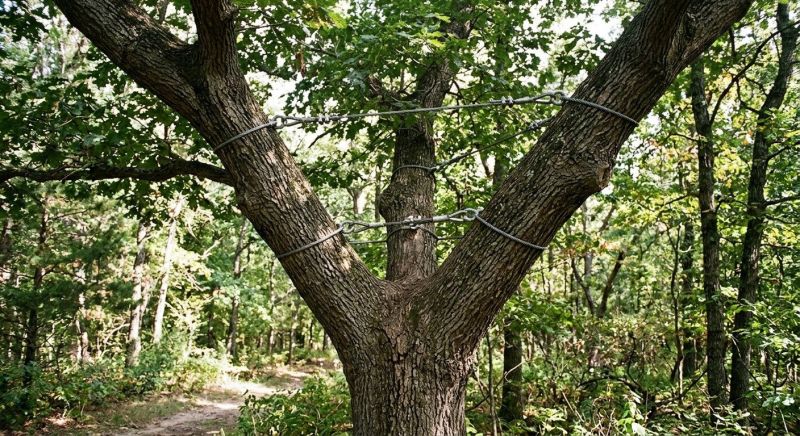
Tree Cabling Service in Reno, NV
Tree cabling services involve installing supportive cables and braces to help maintain the stability and health of trees, especially those with structural weaknesses or growing in challenging environments. This process is commonly used for mature trees, trees with split or weak branches, or trees situated near structures and power lines. Property owners typically seek this service to prevent potential damage caused by falling limbs or to preserve the longevity of valuable trees, ensuring safety and reducing the risk of property damage.
Before requesting tree cabling, property owners should consider the condition and species of the trees involved, as well as the specific concerns they have, such as weak branches or leaning trunks. It’s important to understand that cabling is a preventive measure aimed at supporting trees rather than correcting existing structural failures. Consulting with a professional can help determine if cabling is appropriate and what type of support system is best suited for the tree’s health and the property’s safety needs.
Many property owners in Reno, NV look into Tree Cabling Service for repairs, replacements, upgrades, and appearance-related improvements.
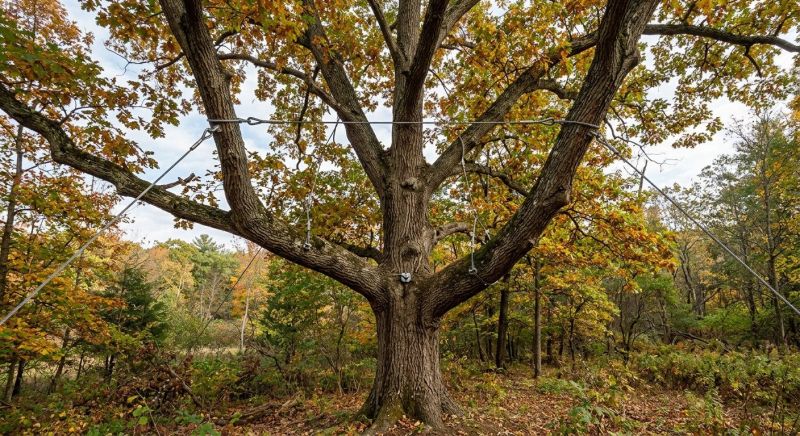
Tree Support And Stability
Tree cabling helps prevent limbs from breaking and keeps trees upright during storms.
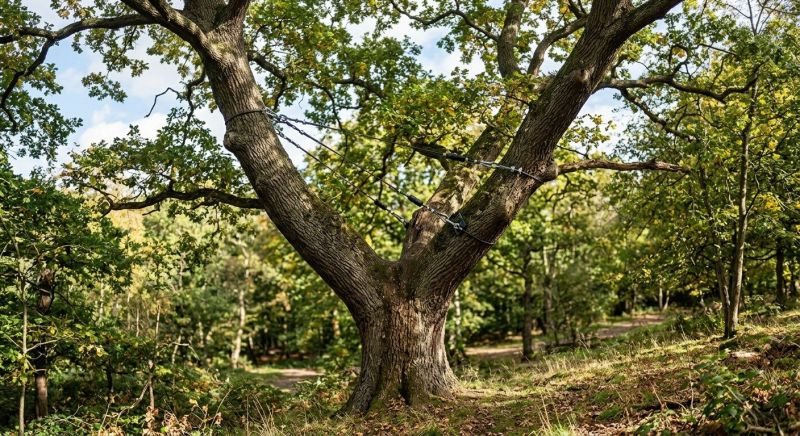
Protecting Property And People
Proper cabling reduces the risk of falling branches that could damage homes or cause injury.
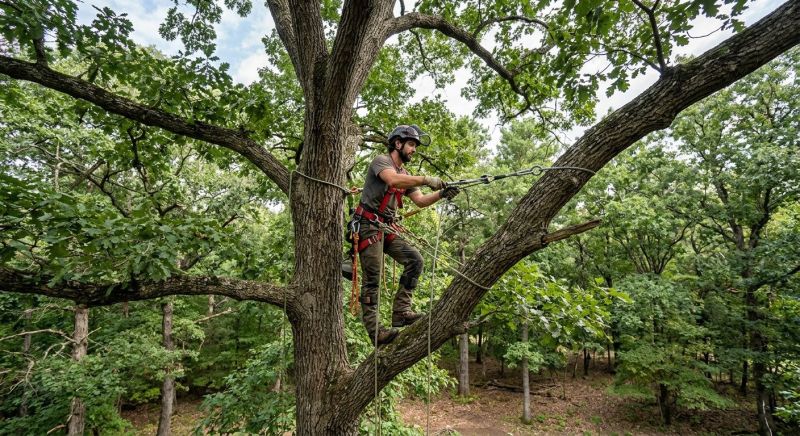
Preserving Tree Health
Cabling can extend the life of mature trees by reducing stress on weak or damaged branches.
Tree Cabling Service in Reno, NV
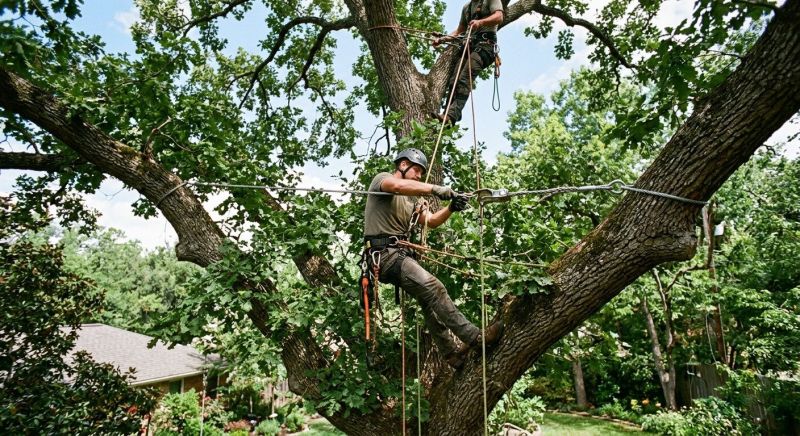
Tree cabling services involve installing supportive cables and braces to help maintain the stability and health of trees, especially those with structural weaknesses or growing in challenging environments. This process is commonly used for mature trees, trees with split or weak branches, or trees situated near structures and power lines. Property owners typically seek this service to prevent potential damage caused by falling limbs or to preserve the longevity of valuable trees, ensuring safety and reducing the risk of property damage.
Before requesting tree cabling, property owners should consider the condition and species of the trees involved, as well as the specific concerns they have, such as weak branches or leaning trunks. It’s important to understand that cabling is a preventive measure aimed at supporting trees rather than correcting existing structural failures. Consulting with a professional can help determine if cabling is appropriate and what type of support system is best suited for the tree’s health and the property’s safety needs.
Many property owners in Reno, NV look into Tree Cabling Service for repairs, replacements, upgrades, and appearance-related improvements.
Common Tree Cabling Service Jobs
Tree cabling - provides support and stability for weakened or leaning trees.
Branch support - helps prevent branch breakage during storms or high winds.
Tree health preservation - reduces the risk of damage while maintaining natural growth.
Storm damage prevention - minimizes the chances of falling limbs or trees during severe weather.
Structural reinforcement - stabilizes trees with structural issues to protect property and people.
Tree safety management - ensures trees are secure and less likely to pose hazards on the property.
Tree Cabling Service Questions
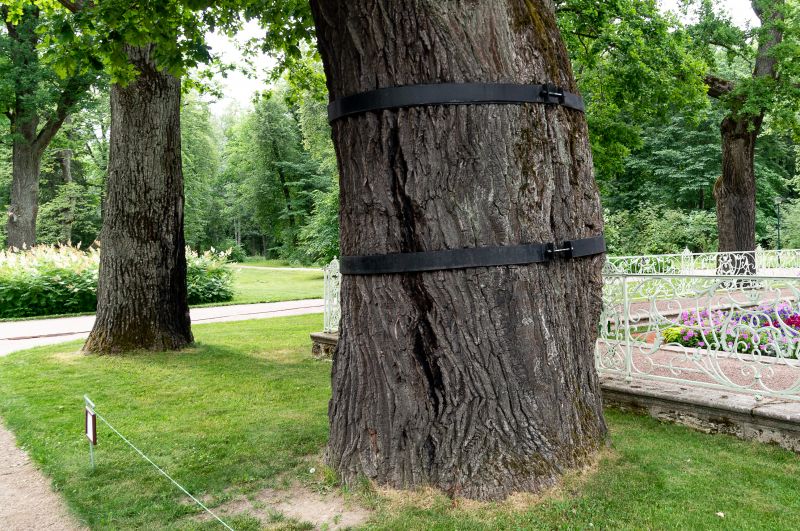
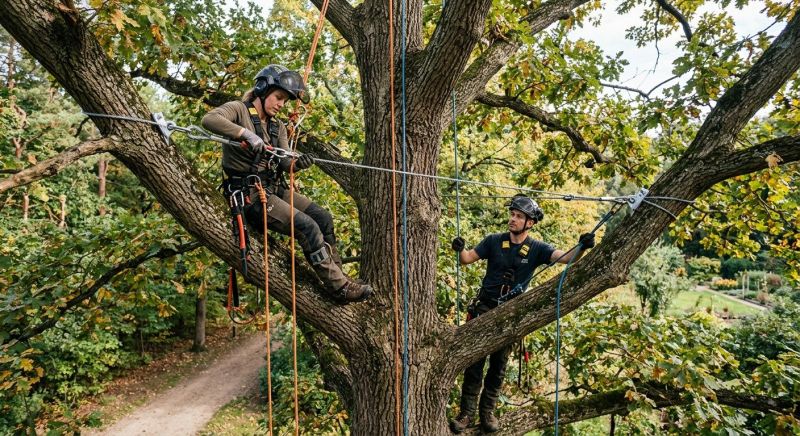
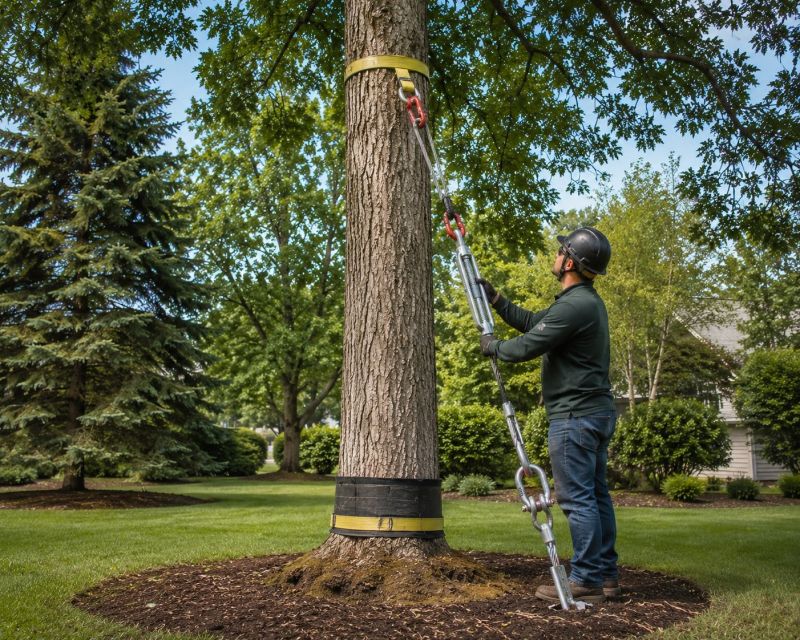
What is tree cabling service? Tree cabling involves installing supportive cables to help stabilize and protect weak or damaged branches and limbs.
When should tree cabling be considered? It is recommended when trees have heavy, overextended branches or signs of structural weakness to prevent potential breakage.
What types of trees benefit most from cabling? Large, mature trees with heavy limbs or structural issues are ideal candidates for cabling services.
How does tree cabling help property owners? It reduces the risk of falling limbs, protecting property and ensuring tree stability over time.
Request Tree Cabling Service in Reno, NV
Use the quote form on this page to share the basics of your project and request more information for the type of work you need.